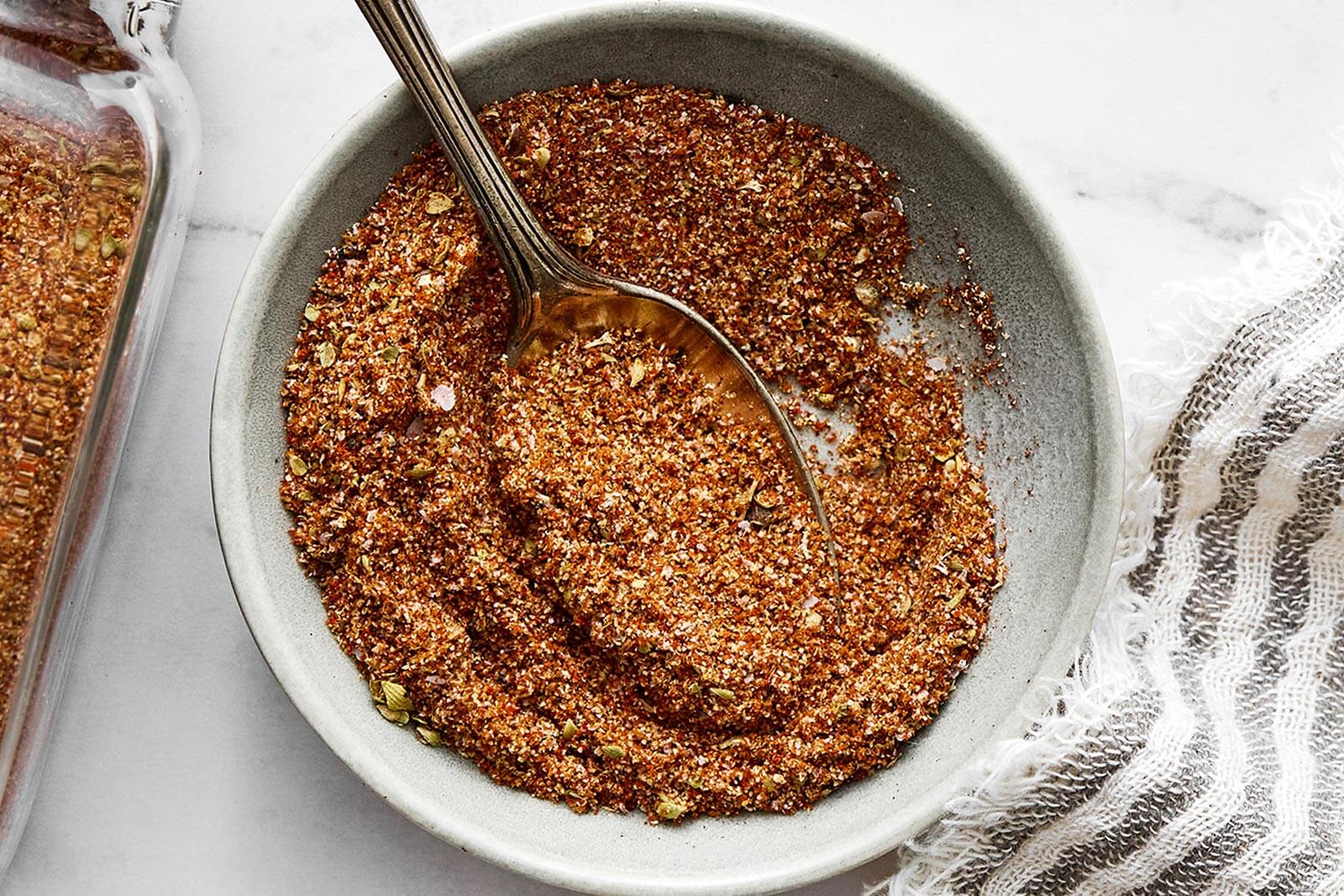
Fajita Seasoning vs. Taco Seasoning: Unpacking the Flavor Debate
In the vibrant world of Mexican-inspired cuisine, two spice blends often stand side-by-side on the shelf, leaving many home cooks pondering their differences: fajita seasoning and taco seasoning. While both promise a burst of flavor for your favorite dishes, they are far from identical. Understanding the subtle yet significant distinctions between these two popular mixes can elevate your cooking, ensuring that every bite delivers the authentic taste experience you crave. Let's dive deep into the heart of these blends, explore their unique characteristics, and discover why mastering your own homemade fajita seasoning might just be your next kitchen triumph.
The Signature Profile of Fajita Seasoning
At its core, fajita seasoning is a masterclass in balance and aromatic complexity. Designed to perfectly complement sizzling meats and vegetables, it delivers a flavor profile that is smoky, bold, and incredibly versatile. The magic lies in a carefully curated blend of pantry staples that work in harmony to create a truly irresistible taste.
Typically, a robust fajita seasoning mix features cornerstone Mexican spices such as earthy cumin and rich chili powder. These are then beautifully augmented by a supporting cast including vibrant paprika (often smoked paprika for an extra layer of depth), pungent garlic powder, savory onion powder, and a kick of heat from cayenne pepper. What often sets fajita blends apart is a subtle touch of sweetness, usually from a hint of white sugar, which expertly balances the heat and enhances the caramelized notes of grilled ingredients. This thoughtful balance makes it spicy enough to excite the palate without overwhelming it, appealing to a broad range of tastes.
The versatility of the best homemade fajita seasoning recipe is truly remarkable. It's the quintessential partner for classic chicken fajitas, steak fajitas, and even hearty beef or shrimp fajitas. But its utility extends far beyond traditional dishes, readily enhancing vegetable fajitas or even lending its character to grilled portobello mushrooms and other roasted vegetables. Making your own fajita seasoning from scratch offers an unparalleled advantage: complete control over every ingredient. This means you can customize spice levels, adjust sodium content, and ensure only the freshest, highest-quality spices make it into your blend. It's not just about flavor; it's about culinary freedom and healthier choices.
Taco Seasoning: A Close Cousin with Distinct Flavors
While sharing a similar heritage, taco seasoning carves out its own distinct niche in the spice cabinet. It is also a blend of Mexican-inspired spices, but its primary purpose is to flavor ground meats (like beef or turkey) or beans for taco fillings, and its composition reflects this specific use. The flavor profile of taco seasoning is generally more robust and earthy, often emphasizing different spice notes compared to fajita seasoning.
The most notable difference lies in the proportions and specific ingredients. Taco seasoning typically contains a more generous amount of oregano, giving it a more herbaceous and pungent quality. It also often features a higher concentration of chili powder, contributing to a deeper, sometimes spicier, and more concentrated "classic Mexican" flavor that stands up well to being cooked into ground fillings. While it shares many common ingredients with fajita seasoning—such as cumin, garlic powder, and onion powder—the relative quantities of these spices are adjusted to suit its intended application, creating a different overall taste experience.
Fajita Seasoning vs. Taco Seasoning: The Key Distinctions
Though they can sometimes be used interchangeably in a pinch, understanding the fundamental differences between fajita seasoning and taco seasoning is key to achieving optimal flavor in your dishes. Let's break down the main points of divergence:
- Ingredient Ratios and Dominant Flavors:
- Fajita Seasoning: Often characterized by a balance of smoky paprika, earthy cumin, and a moderate chili heat, frequently mellowed or balanced by a touch of sugar. The overall profile is designed to enhance searing and caramelization.
- Taco Seasoning: Typically features a more pronounced herbaceous note from a higher proportion of oregano, combined with a stronger presence of chili powder. It leans into a more robust, earthy, and sometimes spicier profile, ideal for coating and infusing ground fillings.
- Flavor Profile Nuances:
- Fajita Seasoning: Tends to be slightly sweeter and smokier, with a balanced heat that allows the natural flavors of the protein and vegetables to shine through. It aims for a bright, sizzling pan taste.
- Taco Seasoning: Is generally more savory, with a deeper, more concentrated spice blend that is quintessential for the traditional taco experience. It often has a bolder, more "rustic" Mexican spice character.
- Traditional Applications:
- Fajita Seasoning: Best suited for seasoning strips of meat (chicken, beef, shrimp) and vegetables (peppers, onions) that are grilled or pan-fried at high heat, creating a delicious crust and imparting a smoky aroma.
- Taco Seasoning: Primarily used for ground meats or bean mixtures that are cooked and crumbled to fill tortillas.
While these differences are clear, it's true that in a pinch, you can often use one in place of the other. Just be prepared for a subtle shift in the final flavor profile. If you substitute fajita seasoning for taco seasoning, your tacos might be a touch sweeter and smokier. Conversely, using taco seasoning for fajitas could result in a dish with a more pronounced oregano and chili flavor than expected.
Mastering Homemade Fajita Seasoning: Tips and Tricks
The unparalleled taste and flexibility of homemade fajita seasoning make it a true kitchen game-changer. Once you start making your own, you'll likely never look back at store-bought packets again. Here are some practical tips to help you become a spice-blending hero:
- Customization is Key: This is the ultimate advantage of homemade. Want a spicier kick? Increase the cayenne pepper or chili powder. Prefer it milder? Reduce them. Concerned about sodium? Use less salt or omit it entirely and season your dish separately. You control every gram. The same goes for sweetness – a little sugar can enhance the flavor, but it's optional.
- Quality Matters: Start with fresh, good-quality spices. Spices lose potency over time, so check their aroma and vibrancy. Fresh spices make all the difference in the final blend.
- Batching for Convenience: Make a larger batch! Our referenced recipes, which have garnered hundreds of five-star reviews, prove that preparing enough to last several months is a wise move. Store your homemade fajita seasoning in an airtight container in a cool, dark place, like your spice cabinet or pantry. It will maintain its freshness and potency for up to six months.
- Packet Equivalents: When a recipe calls for a store-bought packet of seasoning, a general rule of thumb is that one standard packet (typically 1 ounce or around 28-32 grams) equates to approximately 3 tablespoons of homemade blend. So, if your recipe specifies an entire packet, use 3 tablespoons of your superior homemade mix. For 1.5 pounds of protein (chicken, beef, shrimp), about 1/4 cup of seasoning is a great starting point.
- Beyond the Skillet: Don't limit your versatile uses for homemade fajita seasoning to just traditional fajitas. It's fantastic as a rub for roasted chicken or pork, sprinkled over roasted vegetables, mixed into marinades, or even used to season scrambled eggs. It can transform simple ingredients into something extraordinary. Reviewers of popular recipes use it for dishes like Pollo Fajitas, Beef Fajitas, Veggie Fajitas, Quick and Easy Shrimp Fajitas, and even innovative creations like Chicken Fajita Cauliflower Pizza or Fajita Melts.
Beyond the incredible flavor, making your own spice blends is often more cost-effective in the long run. While the initial investment in individual spices might seem higher, the per-use cost drops significantly, and you avoid fillers, anti-caking agents, and excessive sodium often found in commercial blends.
In conclusion, while both fajita seasoning and taco seasoning are indispensable tools for crafting delicious Mexican-inspired meals, they each possess a unique character. Fajita seasoning, with its balanced smoky, sweet, and spicy notes, is perfectly crafted to enhance sizzling meats and vegetables. Taco seasoning, on the other hand, offers a more robust, earthy, and oregano-forward profile ideal for ground fillings. By understanding these distinctions and, better yet, by embracing the world of homemade spice blends, you gain the power to customize, optimize, and truly elevate your culinary creations. So, go ahead, blend your own batch of irresistible fajita seasoning and embark on a flavorful journey that will impress your taste buds and your guests alike!
